Access issues for cleaning in period houses on Holland Park Avenue
If you live or work in a period property on Holland Park Avenue, you already know the charm comes with a few quirks. Narrow stairs, awkward landings, old door frames, long hallways, and delicate finishes can turn a simple clean into a logistical puzzle. Access issues for cleaning in period houses on Holland Park Avenue are not just a minor inconvenience; they shape what can be cleaned, how safely it can be done, and how much preparation is needed before anyone even sets foot inside with equipment.
This guide breaks down the real access challenges that show up in Victorian and Edwardian homes, mansion blocks, and converted flats along the avenue. You will find practical advice on planning, safety, equipment choices, and how to avoid the usual headaches. Truth be told, a good clean in a period house is often about access first and cleaning second.
Table of Contents
- Why access matters in period houses
- How the access planning process works
- Key benefits of getting access right
- Who this is for and when it makes sense
- Step-by-step guidance for a smoother visit
- Expert tips for better results
- Common mistakes to avoid
- Tools, resources and recommendations
- Law, compliance, standards and best practice
- Options and comparison table
- Case study or real-world example
- Practical checklist
- Conclusion
- Frequently asked questions
Why Access Issues for Cleaning in Period Houses on Holland Park Avenue Matters
Period homes are beautiful, but they were not designed around modern cleaning machines, bulky hose runs, or today's expectations for fast turnaround. On Holland Park Avenue, access problems often affect more than convenience. They can affect protection of the building, the quality of the clean, and the time needed on site.
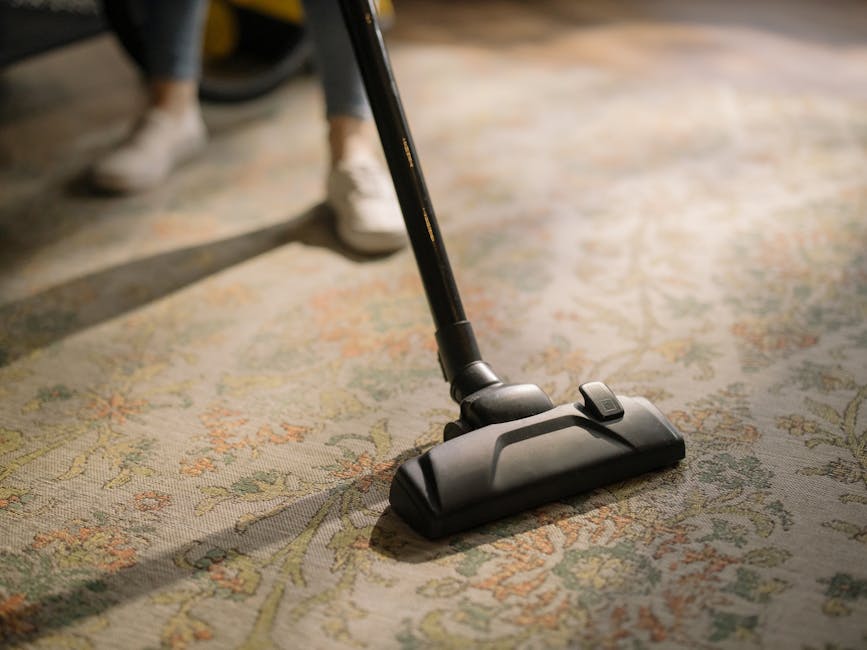
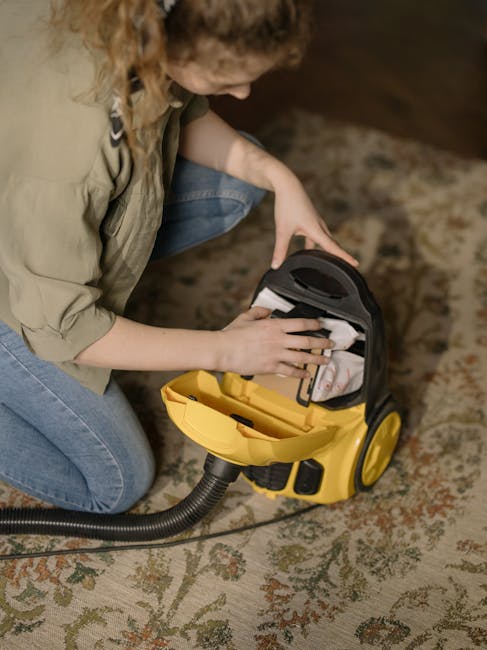
Think about a typical scenario: a heavy carpet cleaning machine has to be carried up a tight staircase with a sharp turn halfway up. The hallway is narrow, the balustrade is old, and the client's runner carpet is already worn. That is not the moment to improvise. A bit of planning avoids scuffs, delays, and awkward apologising at the door.
Access matters because period properties often combine several tricky elements at once:
- restricted stair width
- low or uneven thresholds
- fragile plasterwork and skirting
- limited parking or loading space
- small lift access, or none at all
- shared entrances in converted buildings
- rooms with awkward furniture placement
There is also the human side. Residents may be at home, neighbours may need access, and the building may have quiet hours or managed entry arrangements. The cleaner needs to move carefully, and the customer needs to know what to expect. Simple enough in theory, not always simple in practice.
For service buyers, this matters because access friction can influence pricing, duration, and service selection. For example, a standard carpet clean may still be possible, but the route to the room may mean more labour, more setup time, or a different cleaning method altogether. If you are comparing cleaning options, it helps to look at the broader service pages too, such as carpet cleaning, upholstery cleaning, and steam carpet cleaning.
Expert summary: In period houses, access is often the hidden part of the job. When access is planned properly, cleaning is safer, quicker, and usually much less stressful for everyone involved.
How Access Issues for Cleaning in Period Houses on Holland Park Avenue Works
The process usually starts before the appointment itself. A sensible cleaner will ask a few practical questions: How many stairs are there? Is there a lift? Can equipment be brought in through the front door, side access, or rear entrance? Are there parking restrictions? Are there protected surfaces, antiques, or unusually tight spaces to work around?
From there, the visit is mapped out in a way that fits the property. That might mean bringing smaller equipment, using longer hose runs from a safer staging point, splitting a job into sections, or changing the sequence so the most awkward room is tackled first while energy and space are still available. Nothing glamorous. Just sensible fieldcraft, really.
In period homes, access planning usually covers four things:
- Physical entry - doors, stairs, corridors, lifts, and turning space.
- Protection of the property - corner guards, padding, dust sheets, and careful handling.
- Movement of equipment - where machines are placed, filled, emptied, and stored while working.
- Resident and neighbour coordination - timing, noise, shared hallways, and building rules.
Let's face it, the biggest access issue is often not the main room. It is the bit between the front door and the room. A gorgeous reception room on the first floor can be straightforward once you get there. It is the staircase, the bend, the landing, and the antique console table in the hallway that create the real challenge.
Different cleaning tasks also behave differently. Carpet cleaning may need water extraction gear, sofa cleaning may require space to move furniture carefully, and curtain cleaning may be easier if the item can be cleaned in situ rather than removed through a narrow staircase. If you want to compare those service types, the site also includes sofa cleaning, curtain cleaning, and rug cleaning.
Key Benefits and Practical Advantages
Getting access right delivers benefits that are easy to overlook until something goes wrong. The obvious one is efficiency. The less obvious one is peace of mind.
- Less risk of damage to door frames, banisters, skirting, and floor edges.
- Better cleaning outcomes because the right method can be chosen from the start.
- Faster completion with fewer delays moving equipment in and out.
- Reduced stress for residents, cleaners, and building managers.
- More accurate pricing because access complexity is known in advance.
- Better safeguarding of delicate finishes in older homes.
There is also a service-quality benefit. In a well-managed visit, the cleaner can spend their energy on the cleaning itself rather than constantly adapting on the fly. That usually means a neater result. You can hear it in the pace of the job: less bumping, less lifting and re-lifting, fewer interruptions.
For customers, another benefit is that awkward jobs become more predictable. You know what is being done, where equipment will go, whether furniture needs moving, and how long the process should take. That matters in busy households, rented homes, and properties with guests or tenants coming and going.
If access constraints are severe, you may even get better results from a targeted service approach. For example, deep cleaning upholstery in a single room may be more realistic than trying to move multiple large pieces through a tight upper floor corridor. In some cases, stain-focused work can be more practical than a whole-room clean, especially where access time is limited. That is where stain removal and pet stain odour removal can be useful as part of a broader plan.
Who This Is For and When It Makes Sense
This topic is relevant to a few different people, and not just homeowners. Period buildings on Holland Park Avenue are often used in a mix of ways, so access planning needs vary.
Homeowners and long-term residents
If you live in a period flat or terraced house, access is part of your regular maintenance routine. You may already know which staircase squeaks, which doorway is awkward, and where the furniture has to be turned sideways. That local knowledge helps a lot.
Landlords and letting agents
When a property changes hands, cleaning needs to happen quickly and without surprise delays. In older homes, a failed access plan can throw off check-in dates, which is never fun for anyone. A clear plan helps keep things moving.
Estate managers and building supervisors
Shared entrances, common hallways, and protected features make access coordination especially important. If a building has multiple floors or several tenants, it is worth planning routes and timings in advance.
Businesses in converted period premises
Some offices, studios, and practices occupy old buildings with awkward access, so commercial cleaning can need extra care too. In those cases, a service like commercial carpet cleaning may need a very specific setup to avoid disrupting staff or clients.
When does it make sense to focus on access issues before booking? Pretty much any time the building has narrow stairs, fragile interiors, or limited outside space. If you have ever looked at a hallway and thought, "How on earth is that machine getting upstairs?", that is your cue.
Step-by-Step Guidance
A solid access plan does not need to be complicated. It just needs to be done properly. Here is a practical way to approach it.
- Walk the route first. Check the entry point, hallways, stairs, landings, and the room itself. Look for pinch points, low lamps, mirrors, narrow turns, and anything that could be knocked.
- Measure the awkward bits. Not every cleaner will need exact measurements, but widths, step counts, and ceiling height can be very useful if equipment is larger than average.
- Flag fragile surfaces. Let the cleaner know about polished wood, heritage plaster, decorative tiles, or historic trims that need extra care.
- Decide what moves and what stays. Heavy wardrobes, grand pianos, and bulky sofas are not casual moving jobs. Some items are better cleaned in place. Others should be left entirely alone unless there is a proper plan.
- Confirm parking and loading. Around Holland Park Avenue, parking and stopping arrangements can affect arrival time and how far equipment must be carried.
- Agree the cleaning method. A wet extraction clean, steam-based approach, low-moisture treatment, or hand-cleaned detail work may each suit different access conditions.
- Protect the route. Use dust sheets, corner protection, and sensible footwear. It sounds basic, but the basics are where damage is prevented.
- Review the finish. Once the work is done, check entry points, surfaces, and cleaned areas before the team leaves. Catching a small issue immediately is much easier than discovering it later.
If you are booking multiple soft furnishing services, think about sequencing too. Curtains, rugs, mattresses, and upholstery may be best handled in a certain order depending on access. It saves a lot of back-and-forth, and yes, a bit of eyebrow-raising when a cleaner has to carry the same bit of equipment upstairs three times.
Expert Tips for Better Results
From an operator's point of view, the best access solutions are usually simple, repeatable, and calm. Not flashy. Just sensible.
- Send photos of the route before the appointment if the property is unusual.
- Clear the stair path of shoes, mats, pushchairs, and breakable objects.
- Move personal items in advance if they sit in tight hallway spaces.
- Choose the right time of day when neighbours, deliveries, or household traffic are lighter.
- Ask about equipment size rather than assuming all machines are the same.
- Use a room-by-room plan in larger period homes instead of treating the property as one big job.
- Discuss delicate fabrics early if upholstery or drapery is involved.
One practical insight: access issues often look bigger when the property is cluttered. A hallway that feels impossible can become manageable once coat stands, umbrellas, baskets, and side tables are cleared. Small changes, big difference.
Another useful point is to think vertically as well as horizontally. People tend to focus on the front door, but upper-floor access, overhead lighting, tight stair bends, and landing space can matter even more. That is especially true in older London homes with compact internal geometry. Bit of a mouthful, but accurate.
If you want to reduce disruption further, ask whether the cleaner can adapt the service to the property. Some teams can work from a more localised setup point, reducing the amount of gear that has to travel through the house. That can be especially helpful for delicate interiors or occupied homes.
Common Mistakes to Avoid
Most access problems are avoidable. They usually happen because someone assumes the building will behave like a newer one, or because nobody mentions the awkward bits until the van is already outside.
- Assuming a standard cleaning route will work. Period homes often have non-standard layouts.
- Not checking stair width or turning space. This is one of the most common causes of delays.
- Leaving clutter in narrow hallways. It is a trip hazard and slows the whole job down.
- Forgetting about shared access rules. In mansion blocks or conversions, building rules can affect timing and entry.
- Failing to protect surfaces. A tiny scrape on a painted bannister can be surprisingly noticeable.
- Choosing the wrong method for the space. A heavier wet process is not always the best option in tight or delicate settings.
- Not communicating access restrictions in advance. The cleaner cannot plan for what they do not know.
There is also a softer mistake: underestimating how tiring awkward access can be for staff. Carrying equipment up steep stairs in an old house is physically demanding. If the route is not checked, the job becomes slower and less precise. Nobody wants that half-finished, slightly frazzled feeling at the end of the day.
Tools, Resources and Recommendations
The right tools make a period-house clean much more manageable. You do not need a warehouse full of kit, but a thoughtful setup helps.
| Access challenge | Useful approach | Why it helps |
|---|---|---|
| Narrow stairs | Smaller machines and careful load planning | Reduces the chance of bumps and awkward lifting |
| Fragile skirting or paintwork | Corner guards and protective coverings | Helps prevent scuffs on old finishes |
| Limited parking | Pre-arranged arrival timing | Reduces carrying distance and delays |
| Shared entrances | Clear communication with residents or building managers | Minimises disruption and confusion |
| Upper-floor cleaning | Sequenced room-by-room working | Keeps equipment movement efficient |
For customers, useful resources are often internal to the service itself: the company's pricing and quotes information, the health and safety policy, and the insurance and safety page. Those pages help set expectations around how work is handled, which is especially reassuring in a protected or older property.
If sustainability matters to you, it is worth checking how waste water, packaging, and reusable materials are handled. The recycling and sustainability information can be a helpful place to start.
And if you are comparing options for specific items, look at the individual service pages too. In period homes, that small bit of service matching can make the difference between a smooth visit and a fiddly one.
Law, Compliance, Standards, or Best Practice
Access planning for cleaning is not usually about complex legal questions, but it does sit within wider UK expectations around safety, care, and responsible work. In practice, that means cleaners should take reasonable steps to avoid damage, minimise risk to people on site, and communicate clearly about any constraints.
For period houses, best practice normally includes:
- checking safe access before work starts
- using suitable equipment for the property type
- protecting floors, walls, and fixtures where needed
- identifying trip hazards and moving obstacles out of the way
- being transparent about limitations if a method is not suitable
- respecting building rules, neighbour access, and quiet hours where relevant
It is also sensible to make sure any contractor you use has clear terms, a proper complaints route, and policies you can review in advance. That sounds a bit formal, but it matters. Good paperwork usually reflects good working habits. You can also review the site's terms and conditions and complaints procedure for an idea of how issues are handled if something does not go to plan.
For clients who prioritise privacy or secure payments, the related policy pages are useful too. In older homes, especially where access involves multiple occupants or managed buildings, trust and clarity are not optional extras.
Options, Methods, or Comparison Table
Not every period property needs the same approach. Here is a simple comparison of common access-friendly cleaning methods and when they tend to suit older homes best.
| Method | Best for | Access considerations | Typical advantage |
|---|---|---|---|
| Steam carpet cleaning | Carpets that need a deeper refresh | Needs equipment movement and drying space | Good for embedded dirt and a thorough finish |
| Low-moisture carpet cleaning | Tighter interiors or faster turnaround | Often easier in awkward spaces | Quicker drying, less disruption |
| Upholstery cleaning | Sofas, chairs and fabric furnishings | Often manageable in place | Less need to move bulky items through the property |
| Rug cleaning | Loose rugs and runners | Can depend on staircase width and rug size | Flexible and usually less disruptive |
| Stain-specific treatment | Targeted problem areas | Minimal access strain | Practical when the issue is localised |
The right method depends on the fabric, the layout, the state of the property, and how much movement through the building is realistic. In a tight period home, the best result may come from the simplest method that can be delivered safely. Sounds obvious, but it is worth saying.
Case Study or Real-World Example
Imagine a top-floor period flat in a converted house on Holland Park Avenue. The front stairwell is narrow, the banister is painted, and the landing turns sharply before the final room. The customer wants carpet cleaning in the bedroom, upholstery cleaning for a small sofa, and stain treatment in the hallway.
On arrival, the first thing the cleaner notices is not the carpet. It is the access route. A mirror in the hallway is removed temporarily, two small tables are moved back, and the stair path is cleared. The machine is brought in with protective care, then positioned where it does not block the entrance. The carpet work is done first while the room is clear, followed by the upholstery once the main equipment has been staged.
The result is not dramatic in a glossy-magazine way. It is better than that. No scuffed paint. No awkward squeezes. No panicked moving of furniture halfway through the job. Just a clean, orderly visit that feels calm from the customer's side.
That is the quiet win with period-house access planning. The less the process calls attention to itself, the better it usually went.
Practical Checklist
Use this checklist before booking or on the day of the clean. It keeps things tidy, and it saves time.
- Walk the route from entrance to room
- Measure tight stair turns or narrow doors if needed
- Clear hallways, stairs, and landings
- Tell the cleaner about delicate surfaces or antiques
- Confirm parking or loading arrangements
- Ask which cleaning method suits the property best
- Move small personal items out of the way
- Check whether furniture should be cleaned in place or moved
- Keep pets and children away from the work area
- Review the finish before the team leaves
If you can answer the simple questions before the appointment, the rest tends to fall into place. Not always perfectly. But well enough that the job feels under control.
Conclusion
Access issues for cleaning in period houses on Holland Park Avenue are really about respect for the building as much as the job itself. The best outcomes come from careful planning, realistic expectations, and a cleaning method that suits the shape and fragility of the property. When access is thought through properly, you protect the house, reduce disruption, and give the cleaning work a much better chance of going smoothly.
Whether you are a homeowner, landlord, or building manager, the basic principle is the same: don't leave access to chance. Check the route, match the method to the property, and be upfront about any limitations. It saves time, avoids stress, and usually leaves everyone a bit more relaxed at the end of the day.
Get a free quote today and see how much you can save.
And if the property feels awkward, that is okay. Most period homes do. The trick is not forcing the process; it is making the process fit the house.
Frequently Asked Questions
What are the main access problems in period houses on Holland Park Avenue?
The main issues are narrow staircases, tight doorways, limited landing space, fragile finishes, and parking or loading restrictions. In many period homes, the route to the room is harder than the cleaning itself.
Can carpet cleaning still be done in a period property with narrow stairs?
Usually yes, but the cleaning team may need smaller equipment, careful route planning, and a method that fits the building. If access is very tight, low-moisture or targeted cleaning may be more practical than a heavier setup.
Should I move furniture before a cleaning visit?
Only small, lightweight items should normally be moved without guidance. Heavy furniture or awkward pieces are better discussed in advance. In period houses, moving the wrong item can create more problems than it solves.
How do I prepare a hallway or stairway for cleaning work?
Clear shoes, mats, coats, baskets, and anything breakable from the access route. The cleaner needs a safe, uncluttered path. A tidy hallway makes a bigger difference than most people expect.
Is steam cleaning safe in older homes?
It can be, but it depends on the fabric, surface, and condition of the property. Older homes may have sensitive finishes, so the method should be chosen carefully. If there is any doubt, a more controlled approach may be better.
Do period houses take longer to clean?
Often they do, mainly because of access and protection requirements. The cleaning itself may be similar, but setup, movement, and care around fragile features can add time.
What if my building has shared entrances or managed access?
That should be flagged before the appointment. Shared hallways, concierge arrangements, or building rules can affect timing and loading. A cleaner can plan around that if they know early enough.
Are there extra costs for difficult access?
Sometimes there can be, depending on the amount of extra time, labour, or setup involved. It is best to ask for a clear quote in advance so the pricing reflects the property fairly.
Can upholstery be cleaned without moving it through tight stairs?
Very often yes. Upholstery cleaning is usually done in place, which is one reason it works well in period homes. That said, the room still needs enough space for safe working.
What should I tell the cleaner before they arrive?
Tell them about stairs, access points, parking, fragile surfaces, pets, building rules, and any items that cannot be moved. A short, honest description saves a lot of back-and-forth later.
How do I know which cleaning method suits my period house?
The best method depends on the fabric, the level of soiling, and how easy it is to bring equipment into the building. A good provider will talk you through the options and explain any trade-offs in plain English.
What is the safest way to avoid damage in older properties?
Protect the route, use suitable equipment, communicate clearly, and avoid rushing. That combination sounds simple, but it is the foundation of safe cleaning in period houses. And honestly, it works.