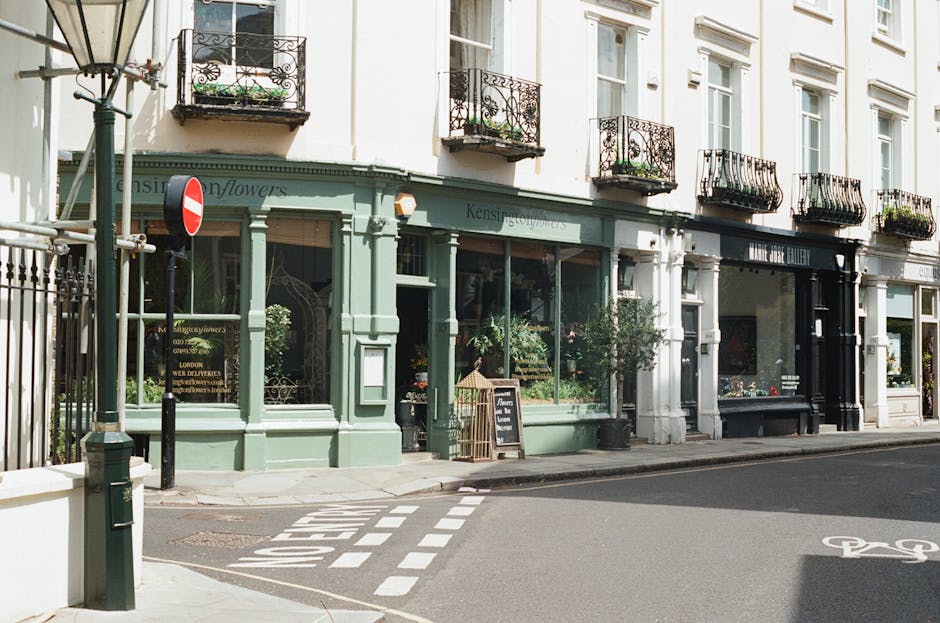
Kensington High Street Shop Cleaning and Deep Clean for Businesses
Kensington High Street is busy, polished, and unforgiving in the nicest possible way. Customers notice scuffed floors, dusty ledges, fingerprints on glass, and that faint "the shop's been open all day" smell before you even greet them. If you run a retail unit, salon, boutique, showroom, cafe, or customer-facing premises here, Kensington High Street shop cleaning and deep clean for businesses is not just about tidiness. It is part of your brand, your customer experience, and sometimes your day-to-day operations.
A proper clean keeps the place looking sharp. A deep clean goes further: it resets the space, tackles the stuff regular cleaning misses, and helps your business stay presentable through the week rather than only for the first half-hour after opening. To be fair, that difference matters more than many owners expect.
This guide explains what commercial shop cleaning usually includes, when a deep clean makes sense, what to ask for, what to avoid, and how to choose the right approach for your premises. If you also manage related spaces, you may find it useful to compare with office cleaning services in North Kensington, especially if your team works between retail and back-office areas.
Table of Contents
- Why Kensington High Street shop cleaning and deep clean for businesses Matters
- How Kensington High Street shop cleaning and deep clean for businesses Works
- Key Benefits and Practical Advantages
- Who This Is For and When It Makes Sense
- Step-by-Step Guidance
- Expert Tips for Better Results
- Common Mistakes to Avoid
- Tools, Resources and Recommendations
- Law, Compliance, Standards, or Best Practice
- Options, Methods, or Comparison Table
- Case Study or Real-World Example
- Practical Checklist
- Conclusion
- Frequently Asked Questions
Why Kensington High Street shop cleaning and deep clean for businesses Matters
High-footfall locations create a very specific cleaning problem. Dirt arrives faster, carpets flatten sooner, washrooms need more attention, and front-of-house areas lose their fresh look much earlier in the day. On a street like Kensington High Street, where presentation is part of the local character, customers tend to read cleanliness as a signal of overall quality. If the floor looks tired, people often assume the stock, service, or kitchen is tired too. Harsh, but true.
There is also the practical side. A shop that is cleaned well is usually easier to operate. Staff spend less time dealing with mess, displays stay neat, and the business feels calmer at opening time. A deep clean helps by removing built-up residue from corners, skirting boards, fittings, glass edges, and flooring that regular daily cleaning can overlook.
This is especially relevant for businesses in mixed-use or premium retail areas, where shops may share building access, back corridors, or delivery points. A stronger cleaning routine supports the wider presentation of the business environment, much like the planning considerations discussed in this guide to Kensington property expectations. Commercial premises do not exist in a vacuum; the street and the building both shape how they are perceived.
And there is one more thing people often underestimate: timing. A quick clean before opening is not the same as a structured deep clean after close, before a refurbishment, or ahead of a busy seasonal period. The right service depends on the moment. Simple, but easy to get wrong.
How Kensington High Street shop cleaning and deep clean for businesses Works
In practice, commercial shop cleaning usually begins with a walk-through. The cleaner or cleaning manager identifies the most used areas, the delicate surfaces, and the points that see the most build-up. That might mean entrance mats, shop windows, reception counters, tills, product shelving, staff areas, stock rooms, or customer toilets. From there, the work is split into regular maintenance and deeper restorative tasks.
A routine clean tends to cover visible and high-touch areas: dusting, wiping, vacuuming, mopping, sanitising handles, polishing glass where appropriate, emptying bins, and keeping customer-facing sections presentable. A deep clean goes further. It might include skirting boards, chair bases, under counters, behind fixtures, detailed floor care, upholstery treatment, machine-assisted carpet cleaning, and a more thorough clean of hard-to-reach places.
For shops with carpeted entrances, changing rooms, waiting seats, or upholstered seating, specialist support may be needed. In those cases, services such as local carpet cleaning and upholstery cleaning for North Kensington properties often sit neatly alongside the main commercial clean. That combination is usually better than trying to "make do" with one product and a lot of hope. And let's face it, hope is not a cleaning method.
Deep cleans are also often scheduled around trading hours. Early morning, late evening, or closed-day slots reduce disruption. In a busy retail area, the best plan is one that protects customer flow while still allowing enough time for proper detail work. If the deep clean is rushed, corners get missed. Every time.
Key Benefits and Practical Advantages
The obvious benefit is appearance. The less obvious one is operational stability. A well-cleaned shop tends to be easier for staff to maintain, because there is less build-up in the first place. That means regular cleaning becomes more effective, and standards don't fall off a cliff halfway through the week.
- Better first impressions: clean glass, fresh floors, tidy fixtures, and dust-free surfaces all support a premium feel.
- Improved customer comfort: customers are more likely to browse longer when the space feels fresh and orderly.
- Longer life for finishes: carpets, upholstery, hard floors, and counters last longer when grime is removed properly.
- Reduced odours: deep cleaning helps with stale smells from bins, foot traffic, food residue, and damp corners.
- Staff morale: people work better in a space that feels cared for. You can usually tell within minutes.
- More predictable upkeep: deep cleans make daily cleaning easier to manage between visits.
There is also a commercial benefit that is easy to overlook: cleanliness can support retail consistency. If your shop looks reliable and looked-after each day, people begin to trust the rest of the experience. That matters for boutique retail, beauty services, luxury displays, and any business where atmosphere is part of the product.
If your business model includes appointments, consultations, or premium browsing, the same principle appears in other settings too. A polished customer environment often needs the same care as a well-run home or guest space, which is why some owners also compare their needs with domestic cleaning options in North Kensington when they are thinking about standards, routines, and upkeep.
Who This Is For and When It Makes Sense
This service suits any business that sees customers in person and wants the premises to feel clean, calm, and presentable. That includes independent retailers, salons, clinics, showrooms, cafes, small hospitality venues, galleries, and pop-up spaces. If you have glass frontage, display areas, changing rooms, washrooms, or a high-traffic entrance, you probably need more than light upkeep.
It makes sense at different moments:
- Before a launch: when the business is opening for the first time and you want everything to look sharp from day one.
- After a busy season: for example after holiday trading, sales events, or a summer rush when footfall has been heavy.
- Before inspections or client visits: when presentation simply cannot be left to chance.
- After refurbishments: dust from works settles everywhere, even in places you thought were sealed off.
- On a scheduled maintenance cycle: monthly, quarterly, or seasonally, depending on how hard the space is used.
There are also practical crossovers. Some business owners planning a move, lease handover, or reconfiguration may need cleaning that resembles a more detailed handover service. In those cases, the thinking is close to what you would do with end of tenancy cleaning in North Kensington, even if the setting is commercial rather than residential. The goal is the same: leave the space in a thorough, ready state.
For businesses in and around Kensington, the surrounding area itself can shape customer expectations. The local environment, foot traffic, and general pace of the street all influence how quickly a space gets marked by everyday use. If you are thinking about the wider neighbourhood and how businesses operate within it, this piece on moving to Kensington is a useful companion read.
Step-by-Step Guidance
Here is a practical way to approach shop cleaning and deep cleaning without overcomplicating it.
- Map the space. List each area: entrance, shop floor, counters, shelving, stock room, washroom, staff area, and any customer seating.
- Separate daily tasks from deep-clean tasks. Dusting a shelf is a routine task; cleaning behind the shelf, lifting debris, and dealing with build-up is a deep-clean task.
- Set your schedule around trading hours. Choose a time slot that limits disruption. Early morning is often best for front-of-house work; evenings suit detail cleaning.
- Prioritise high-touch points. Handles, contact surfaces, card machines, railings, and glass edges collect marks quickly.
- Work from top to bottom. Dust and debris should move downward, not be dragged across already-cleaned surfaces.
- Use the right method for each surface. What works on vinyl won't necessarily work on natural stone, polished wood, or upholstery.
- Check the result in real light. A surface can look fine under bright cleaning lights and still show streaks by the front window at 9 a.m.
- Log anything fragile or unusual. If there are delicate displays, specialist fixtures, or older materials, note them before the work starts.
A good cleaner will ask questions before they start. That is a positive sign, not a delay. It usually means they are thinking about finish, protection, and sequence rather than just blasting through the room with a spray bottle and optimism.
Expert Tips for Better Results
Small decisions often make the biggest difference. In commercial cleaning, the detail work tends to separate the merely acceptable from the genuinely professional.
- Use entrance protection. Mats and frequent vacuuming reduce the amount of grit tracked inside in the first place.
- Keep a "problem spot" list. One sticky patch by the till or a dusty ledge behind the display can undermine the whole room.
- Rotate deeper tasks. Not every area needs a full deep clean every visit, but every area should be scheduled eventually.
- Combine services sensibly. If your shop has carpets or soft seating, aligning those treatments with your main clean saves time and gives a better finish.
- Protect opening hours. Cleaning should support trade, not leave puddles near the door just as customers arrive.
One thing we often see: businesses focus on what customers can see at eye level and forget the lower half of the room. Skirting boards, plinths, chair legs, and the edges under counters collect more dust than people expect. It sounds minor. It rarely is.
For premium interiors, softness matters as much as shine. That is where services like house cleaning support in North Kensington can be a helpful reference point for standards around detail, consistency, and careful attention to lived-in surfaces. Different setting, same truth: a clean room feels easier to trust.
Common Mistakes to Avoid
There are a few recurring mistakes that make even decent cleaning routines underperform.
- Only cleaning what is visible. Visible surfaces matter, but build-up in corners and behind units always returns.
- Using one method for everything. A single spray-and-wipe approach is fine for some surfaces and terrible for others.
- Leaving cleaning too late in the day. If staff are exhausted, quality drops and the important bits get missed.
- Ignoring odour sources. Bins, drains, upholstery, and damp textiles can create a stale atmosphere long before anything looks dirty.
- Overlooking back-of-house areas. Staff areas affect morale and hygiene, even if customers never see them.
- Failing to plan around stock and fixtures. If a deep clean is booked without checking what needs to be moved, the job gets slower and messier than it should.
Another subtle mistake is assuming a deep clean should always be dramatic. It does not need to be theatrical. No one wants a shop that smells aggressively of chemicals and takes three hours to air out. A good finish should feel clean, not punishing.
Tools, Resources and Recommendations
The right tools depend on the surfaces in your shop, but a few things come up again and again in well-run premises.
| Area | Typical Tools or Methods | Why It Helps |
|---|---|---|
| Entrance and floor areas | Vacuuming, mopping, spot treatment, mat cleaning | Reduces tracked-in dirt and keeps the first impression strong |
| Glass and frontage | Microfibre, streak-free glass cleaning, careful detailing | Helps displays look sharp from the pavement |
| Soft seating | Upholstery care, fabric-safe spot treatment, extraction where suitable | Removes odour and visible wear from waiting areas |
| Carpeted areas | Carpet cleaning, spot pre-treatment, agitation where required | Lifts embedded dirt and improves the feel underfoot |
| Back-of-house | Detail dusting, surface sanitising, floor edge cleaning | Supports hygiene and makes upkeep easier |
Sometimes it helps to think in layers: daily wipe-down, weekly maintenance, monthly deep attention, and periodic specialist treatment. That way the work is spread out instead of piling up into one difficult job. If the place is used for events, private appointments, or customer gatherings, you may also want to borrow ideas from this Kensington venue guide, because high-use spaces tend to benefit from the same logic: plan for people, then clean for the aftermath.
Law, Compliance, Standards, or Best Practice
Commercial cleaning is not only about appearance. Businesses in the UK also need sensible hygiene practices, safe working methods, and proper care for staff and visitors. The exact obligations depend on the type of business you run, the premises, and the materials involved, so it is best to treat compliance as a practical framework rather than a one-size-fits-all rulebook.
Good practice usually includes:
- Safe product use: cleaning products should be used according to their instructions, with attention to ventilation and surface compatibility.
- Slip prevention: wet floors should be managed carefully, especially at entrances and near washrooms.
- Staff awareness: employees should know what is being cleaned, what needs time to dry, and which areas are temporarily out of use.
- Waste handling: bins, food waste, packaging, and contaminated materials should be removed regularly and responsibly.
- Record keeping: for some businesses, a simple cleaning log is useful to show routines are being followed.
If your premises include food preparation, treatment rooms, or public toilets, the need for consistency becomes even more important. It is usually wise to work with a cleaning provider who understands that a retail shop is not just "a room with a mop." Different businesses have different risk points, and that needs a proper plan.
Where carpets, upholstery, or other soft materials are involved, treatment choice matters. Over-wetting, using the wrong chemistry, or cleaning too close to closing time can create drying issues and a poor customer experience the next day. That sort of problem is avoidable with a bit of planning. Usually.
Options, Methods, or Comparison Table
Not every business needs the same kind of clean. Here is a simple comparison to help you decide what fits best.
| Approach | Best For | Strengths | Limitations |
|---|---|---|---|
| Daily shop cleaning | Routine maintenance, open trading hours | Keeps the business presentable day to day | Does not remove deeper build-up |
| Deep clean | Seasonal resets, post-renovation, heavy use | Targets hidden dirt, odour, and neglected areas | Takes longer and often needs more preparation |
| Specialist carpet or upholstery cleaning | Soft furnishings, entrances, waiting areas | Refreshes fabrics and improves the overall feel | May need drying time and care with fabric type |
| Combined commercial package | Busy customer-facing premises | More complete finish with less coordination hassle | Requires clearer scheduling and scope |
If your business is more service-led than retail-led, a broader maintenance routine may look closer to office cleaning than shop cleaning. The surfaces differ, but the logic stays the same: keep the visible areas sharp, then schedule deeper work before the place starts to show wear.
Case Study or Real-World Example
Imagine a small boutique on Kensington High Street with a glazed frontage, two fitting rooms, carpeted entrance mats, and a compact staff area at the back. The owner keeps up with daily tidying, but after a few busy weekends the shop starts to feel a little flat. Not dirty exactly. Just tired. The kind of tired that sneaks up on you.
A practical deep clean might focus on the glass, entrance mats, floor edges, shelves, mirrors, fitting room touchpoints, and any upholstered seating. The team would clear dust from the lower display rails, clean around skirting boards, and pay attention to the back-of-house door handles and staff sink area. Once that happens, the whole space feels lighter. The colours read better. The mirrors stop looking hazy. Even the air seems fresher, which is funny how much people notice it once it changes.
Now compare that with a cafe-style business where chairs, soft seating, and carpets play a larger role. The priority would shift slightly toward stain treatment, upholstery care, and odour control. In both cases, the deep clean is not about making the space "perfect." It is about restoring control. That is what business owners are really buying: control over presentation, cleanliness, and the customer impression.
For some premises, the same overall approach also applies when they are repurposed or handed back after use. The broader planning mindset is similar to what you would consider for Kensington property planning or a local business or lifestyle move: you think ahead, protect the space, and leave less to chance.
Practical Checklist
Use this checklist before booking or carrying out a deep clean for your shop.
- Identify all customer-facing and staff-only areas.
- List surfaces that need specialist care, such as carpet, upholstery, wood, stone, or glass.
- Note any fragile displays, electronics, or high-value items.
- Choose a cleaning window that avoids disruption to customers.
- Ask which tasks are included in the deep clean and which are optional extras.
- Confirm drying time where carpets, fabrics, or wet-clean methods are involved.
- Make sure waste removal and bin cleaning are included if needed.
- Plan a quick post-clean inspection in normal daylight.
- Set a follow-up schedule for maintenance cleaning.
- Keep a short note of recurring problem spots for next time.
That last one is underrated. A small notebook or digital checklist can save you from repeating the same oversight every month. Boring? Maybe. Effective? Absolutely.
Conclusion
Kensington High Street shop cleaning and deep clean for businesses is about more than making a place look tidy. It protects your presentation, supports your staff, and helps your premises feel like a business people want to step into. Regular cleaning keeps the day moving. Deep cleaning resets the space so the standards do not quietly slip.
If you run a customer-facing business in Kensington, the smartest approach is usually a mix of daily upkeep, planned deep cleans, and targeted specialist work for carpets, upholstery, and high-use areas. That combination gives you a cleaner, calmer, more trustworthy space without turning the whole thing into a constant battle.
Get a free quote today and see how much you can save.
And if you are weighing up the wider context of living, trading, or working in the area, there is plenty more to explore through our local Kensington guides. It all connects, really. Clean space, better experience, stronger business. Nice and simple.
Frequently Asked Questions
What does shop deep cleaning include?
A shop deep clean usually includes detailed work beyond daily cleaning, such as skirting boards, corners, fixtures, glass detailing, floor edges, bins, staff areas, and sometimes carpets or upholstery. The exact scope should always be agreed in advance.
How often should a business in Kensington High Street book a deep clean?
It depends on footfall, the type of business, and how quickly the premises lose their finish. Some shops benefit from monthly or quarterly deep cleans, while others only need them seasonally or after a busy trading period.
Is regular shop cleaning enough on its own?
Regular cleaning is essential, but it usually cannot remove the build-up that accumulates in less visible areas. Deep cleaning fills that gap and helps preserve the overall standard between daily visits.
Do I need specialist carpet or upholstery cleaning for my shop?
If your premises have carpeted areas, soft seating, waiting benches, or fabric-covered fixtures, specialist cleaning is often worth it. These surfaces hold dirt and odours differently from hard floors and need a more careful approach.
Can shop cleaning be done outside business hours?
Yes, and in many cases that is the best option. Early morning, evening, or closed-day cleaning helps avoid disruption and allows enough time for drying and inspection.
What should I ask before hiring a cleaning provider?
Ask what is included, how they handle fragile surfaces, whether they can work around trading hours, and whether they can cover both routine and deep-clean tasks. It also helps to ask about drying times and any preparation you need to do.
How do I know if my premises need a deep clean rather than a standard clean?
If the space still looks dull after routine cleaning, if smells linger, if corners are dusty, or if carpets and fixtures are visibly tired, a deep clean is likely the better option. Post-renovation and post-event spaces also usually need a deeper reset.
Are there hygiene or safety considerations for shop cleaning?
Yes. Floors should be managed to reduce slip risk, products should be used safely, and staff should know when areas are wet or temporarily out of use. For businesses with food, treatment, or customer-service areas, consistency matters even more.
Can a deep clean help a shop feel more premium to customers?
Definitely. Clean glass, fresher floors, tidy fixtures, and well-kept seating all shape how customers judge the quality of the business. Small details often have a bigger effect than owners expect.
What are the most commonly missed areas in shop cleaning?
Skirting boards, behind counters, under displays, door handles, bin areas, fitting room corners, and the base of fixtures are often missed. Those spots can quietly drag down the overall appearance if they are ignored.
How does shop cleaning differ from office cleaning?
Shop cleaning usually focuses more on customer-facing presentation, display areas, glass frontage, and the constant impact of footfall. Office cleaning tends to centre more on desks, shared equipment, and workspace hygiene, although there is plenty of overlap.
Should I combine general cleaning with carpet and upholstery care?
Yes, if your business has soft furnishings or carpeted areas. Combining services usually gives a more complete result and avoids the common problem of cleaned surfaces sitting next to tired-looking fabric or flooring.
What is the biggest mistake businesses make with deep cleaning?
The biggest mistake is leaving it too long and then trying to rush the job. Deep cleaning works best as part of a planned routine, not as an emergency fix when the space already feels overdue for attention.