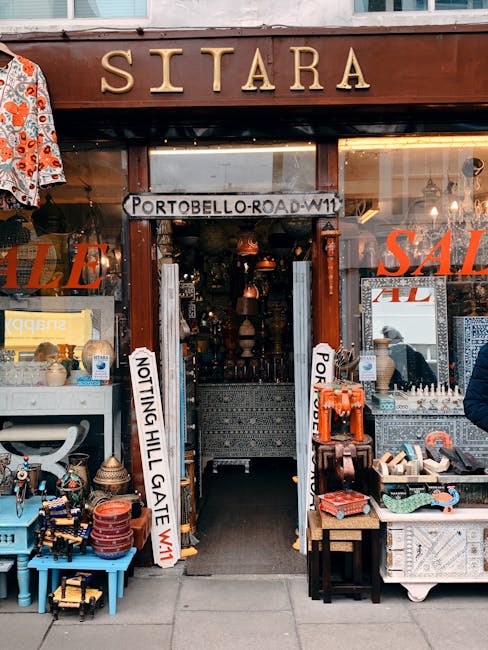
Portobello Road Market Stall Cleaning Services in North Kensington: A Practical Guide for Traders
Anyone who has worked a stall on or around Portobello Road knows the same truth: the market looks charming to visitors, but behind the scenes it can get messy fast. Between food spillages, muddy footfall, packaging waste, dust, grease, and the general wear of a busy trading day, a stall can go from presentable to tired-looking in no time. That is where Portobello Road market stall cleaning services in North Kensington come in.
This guide explains what these services involve, why they matter, how they work, and how to choose the right approach for your stall, pitch, or trading setup. Whether you run a vintage rail, food counter, craft stall, or mixed-display stand, a clean trading space does more than look good. It supports safety, customer confidence, and the day-to-day rhythm of trading in one of London's most recognisable market areas.
If you are comparing cleaning support across nearby services too, you may also find the broader services overview useful, especially if your stall cleaning needs sit alongside stockroom, upholstery, or commercial floor care.
Table of Contents
- Why Portobello Road market stall cleaning services in North Kensington Matters
- How Portobello Road market stall cleaning services in North Kensington Works
- Key Benefits and Practical Advantages
- Who This Is For and When It Makes Sense
- Step-by-Step Guidance
- Expert Tips for Better Results
- Common Mistakes to Avoid
- Tools, Resources and Recommendations
- Law, Compliance, Standards, or Best Practice
- Options, Methods, or Comparison Table
- Case Study or Real-World Example
- Practical Checklist
- Conclusion
- Frequently Asked Questions
Why Portobello Road market stall cleaning services in North Kensington Matters
Markets are different from fixed retail units. A stall is exposed on three sides, sometimes more. Dust blows in, rain gets tracked across surfaces, and thousands of small interactions leave a mark: fingerprints on glass, crumbs in corners, scuffs on display boards, and odours that linger around fabric, food, or soft furnishings. In a place like Portobello Road, where visitors often browse slowly and judge with their eyes first, cleanliness becomes part of your brand.
For traders, the issue is not just appearance. A tidy, sanitised stall can help reduce slip hazards, keep stock in better condition, and make setup easier the next day. It can also create a calmer working environment. Sounds obvious, maybe, but when you are pulling a stall together at 6:30 in the morning, small efficiencies matter.
There is also a reputational side. Customers may not say, "This stall has been well maintained," but they notice it. They notice clean canopies, polished surfaces, and a space that feels looked after. They also notice when a stall feels sticky, dusty, or a bit neglected. Let's face it, people can forgive a lot, but they rarely forgive grime.
In busy trading zones, stall cleaning often supports broader business needs too. If you run a mixed operation with stock storage, nearby office tasks, or even a base in the area, it may be worth looking at office cleaning in North Kensington or domestic cleaning support as part of a wider maintenance plan. Different setting, same principle: a clean environment performs better.
How Portobello Road market stall cleaning services in North Kensington Works
Most professional stall cleaning is built around the realities of trading hours. The work may happen before opening, after closing, or during a window when the market is quieter. The aim is simple: clean without getting in the way of business.
A typical service often starts with a walk-through or brief review. This is where the cleaner or team assesses the stall layout, the materials used, and the type of dirt involved. A food stall has different requirements from an antiques stand. Fabric, wood, chrome, sealed display cases, and portable shelving all need different handling. No one wants the wrong product on a delicate finish. That sort of thing can go sideways quickly.
From there, the work usually includes surface wiping, waste removal, floor cleaning, spot treatment for stains, and attention to touchpoints such as handles, counters, and payment areas. For some stalls, deeper tasks may be added: canopy cleaning, upholstery care, carpet or mat cleaning, or sanitising food-contact-adjacent zones in line with hygiene expectations.
Many traders prefer regular maintenance rather than a "big clean" once in a blue moon. That tends to work better, truth be told. Light daily cleaning plus scheduled deeper cleaning keeps a stall fresher and avoids that build-up where everything suddenly takes twice as long.
If you need a more detailed look at cleaning standards, insurance expectations, or how a provider approaches risk on site, the site's insurance and safety guidance and health and safety policy are helpful reference points.
Key Benefits and Practical Advantages
Good stall cleaning does more than make a place look nice. It affects trading performance in small but meaningful ways.
- Better customer perception: Visitors are more likely to trust a stall that looks clean, organised, and cared for.
- Improved hygiene: Especially important for food traders, drinks sellers, or anything involving hands-on browsing.
- Longer life for fixtures: Dirt and residue wear down wood, metal, fabric, and flooring over time.
- Faster morning setup: A clean base means less scrubbing before you even start trading.
- Lower stress: A tidy pitch is easier to manage on a windy, busy, slightly chaotic market day. And there will be those days.
- Reduced slip and trip risks: Spills, rain, and packaging debris are less likely to become hazards.
There is also a subtle commercial gain. A cleaner stall can support better merchandising. If your display is already crowded, dirty surfaces make it feel even busier. When the surfaces are clean, stock stands out more clearly. That matters on Portobello Road, where attention is limited and first impressions happen fast.
For traders with premium or heritage-style displays, appearance is especially important. If your stall includes upholstered seating, display stools, or soft furnishings, linking cleaning with specialist care such as upholstery cleaning in North Kensington can help keep everything consistent.
Expert summary: The best stall cleaning is not the most dramatic clean. It is the one that keeps a stall consistently tidy, safe, and ready for trade without disrupting your working day.
Who This Is For and When It Makes Sense
These services are a strong fit for a wide range of traders and local businesses, but they are especially useful if you operate in a high-footfall, high-contact environment.
You may need regular stall cleaning if you are:
- a food or drink trader dealing with spills, residues, or hygiene-sensitive surfaces;
- a vintage or antiques seller managing dust, handling marks, and fragile display items;
- a fashion, accessories, or textiles trader with soft goods that pick up grime quickly;
- a seasonal trader who needs a stall cleaned between trading runs;
- a market operator helping multiple stalls maintain a consistent standard;
- a nearby business owner with a commercial space linked to stall operations or storage.
It also makes sense after events, bad weather, or heavy footfall weekends. If there has been rain, wind, or a particularly packed trading day, clean-up becomes more than cosmetic. Wet flooring, muddy bags, and crowded browsing all leave their mark.
Some traders only need occasional deep cleaning. Others need a repeat schedule. There is no universal answer. A ceramics stall, for example, may need less frequent surface sanitising than a food stall but more dust control. Different trade, different rhythm.
If you are building a bigger service plan for your business, you might also explore carpet cleaning in North Kensington for mats or display areas, and house cleaning services if your trading base or prep space is nearby and needs regular upkeep.
Step-by-Step Guidance
Here is a practical way to think about arranging stall cleaning without overcomplicating it.
- Assess the stall's actual needs. Not every stall needs the same level of service. Note surfaces, materials, footfall, and likely mess points.
- Separate daily tidy-up from deep cleaning. Small wipe-downs are routine. Deep cleans tackle build-up, stains, hidden grime, and harder-to-reach areas.
- Choose the right timing. Before opening, after closing, or between market sessions may all work. The best time is the one that avoids disruption.
- Ask about products and methods. If you have food surfaces, fabrics, or special finishes, check that the cleaning approach matches the material.
- Clarify waste removal. Does the service include bagging, sorting, and disposal? Don't assume. Ask.
- Check access and setup needs. Some stalls have limited water access or tight walkways. That affects what equipment can be used.
- Book a trial or initial clean. This helps you see whether the service works smoothly in the real world, not just on paper.
- Review and adjust. After a week or two, decide whether the frequency or scope needs changing. A good plan usually evolves a bit.
That last step matters more than people think. A cleaning plan that looked perfect at first can be too much, or not enough, once trading gets busy. In practice, it's a moving target.
Expert Tips for Better Results
These are the small habits that tend to make the biggest difference.
- Use zone-based cleaning. Divide the stall into sales zone, storage zone, and handling zone. Each one gets a different level of attention.
- Keep microfibre cloths on hand. They are simple, but they do a lot of the work for quick daily maintenance.
- Protect the difficult surfaces first. Sealed wood, brushed metal, and fabric finishes often need specific products. Treat them properly from the start.
- Don't ignore smell. A stall can look clean but still feel stale. That is especially true for food, textiles, or damp-weather trading.
- Use a reset routine at close. Five to ten minutes at the end of trading can save a much bigger job the next morning.
- Document repeat issues. If the same corner, shelf, or mat keeps getting dirty, that is telling you something about layout.
A small real-world example: if your stall always gets sticky around the payment area, it may not be a "cleaning problem" alone. It may be a layout problem. Cash boxes, samples, and touchscreens crowd each other, and everyone's hands end up there. Move one item, and suddenly the cleaning burden drops. Simple, but effective.
If you want to understand the wider business behind a reliable local service provider, the about us page is a useful place to see how the company frames its approach, while pricing and quotes can help set expectations before you book.
Common Mistakes to Avoid
Most problems with stall cleaning come from rushing, guessing, or trying to do everything with one all-purpose product. That usually ends with dull surfaces and a bit of frustration.
- Using the wrong chemical on the wrong material. Fabric, polished wood, and acrylic all react differently.
- Cleaning too late in the day. Once grime dries in, it takes longer and may need deeper treatment.
- Forgetting hidden contact points. Handles, rails, hooks, and crate edges are easy to miss.
- Ignoring floor edges and corners. That's where debris likes to gather, almost as if it enjoys the quiet.
- Assuming the market environment is "too busy" for proper cleaning. Busy is exactly when cleaning matters most.
- Booking service without discussing access. A cleaner arriving with the wrong assumptions wastes everyone's time.
One of the biggest mistakes is trying to make a trading space do everything. Display area, storage area, prep area, checkout point, and cleaning should each have their own logic. If not, the stall gets messy and stays messy. It's just how it goes.
Tools, Resources and Recommendations
For many stalls, the best approach is a mix of professional support and simple in-house maintenance. You do not need a cupboard full of complicated gear. You need the right basics.
| Tool or resource | Best use | Why it helps |
|---|---|---|
| Microfibre cloths | Daily wipe-downs and quick resets | They pick up dust and residue efficiently without leaving lint |
| Neutral cleaner | General surfaces and counters | Useful for everyday maintenance when harsh chemicals are unnecessary |
| Soft brush or handheld vacuum | Dust, crumbs, and corner build-up | Helps reach awkward edges and display bases |
| Slip-resistant mat care | Floor safety and grime control | Keeps walk areas safer and easier to keep tidy |
| Specialist deep cleaning service | Periodic full refresh | Best for stubborn marks, fabrics, and higher-touch areas |
It can also help to match stall cleaning with nearby business services. If you manage stock from a back office or shared workspace, commercial cleaning support may be worth looking into. And if your trading activity involves residential prep, storage, or rental movement, services such as end of tenancy cleaning in North Kensington can be relevant for turnover situations.
For traders who like a broader look at the local area and market context, the site's blog section offers useful reading too, including pieces such as Experiencing the Best of British in Kensington London and what to see in Kensington. Different subject, yes, but useful if you want to understand the local character that shapes footfall and visitor expectations.
Law, Compliance, Standards, or Best Practice
Cleaning a market stall is not usually about complex legal theory, but it is still tied to basic obligations around safety, hygiene, and responsible working practice. The exact requirements depend on what you sell, how your stall is operated, and what the market rules say.
In practical terms, keep the following in mind:
- Food-related stalls should pay close attention to hygiene and contamination control. Clean surfaces, safe waste handling, and sensible separation of items all matter.
- General market stalls still need safe walkways, tidy cable management, and reduced slip risk.
- Chemicals and equipment should be used according to the product instructions and the provider's own safety procedures.
- Insurance and risk management are worth checking before work begins, especially where equipment, water, or access constraints are involved.
This is where a professional provider's documentation becomes useful. A clear health and safety policy, sensible payment and security practices, and transparent terms and conditions all help build trust. So does a proper complaints procedure if something does not go quite right.
Best practice, frankly, is mostly common sense with a paper trail. Know what is being cleaned, know who is responsible, and know what happens if a surface is damaged or a service falls short.
Options, Methods, or Comparison Table
Not every stall needs the same cleaning model. Here is a simple comparison of the main approaches traders usually consider.
| Method | Best for | Strengths | Limitations |
|---|---|---|---|
| Daily light cleaning | High-turnover stalls | Quick, affordable, keeps things presentable | Does not remove deeper build-up |
| Weekly scheduled cleaning | Mixed-use or moderate footfall stalls | Balanced upkeep, more consistent presentation | Can miss sudden spills or weather issues |
| Periodic deep cleaning | Stalls with fabrics, heavy dust, or stubborn residue | Stronger refresh, better for neglected corners | Usually more time and cost involved |
| Event-based cleaning | After fairs, seasonal peaks, or market weekends | Flexible and reactive | Less preventive than routine care |
For many traders, the best answer is a blend: quick daily resets plus a deeper scheduled clean at sensible intervals. That tends to keep costs manageable without letting the stall slip. If you are still deciding what level of support you need, the understanding Kensington real estate and your go-to guide for Kensington real estate articles may seem unrelated at first glance, but they do reflect the local market mindset: upkeep matters, and presentation matters. Same street-level logic, really.
Case Study or Real-World Example
Imagine a small North Kensington trader running a stall with a mix of vintage homeware and textiles. On a busy Saturday, the setup looks lovely at opening: brass pieces polished, folded fabrics stacked neatly, the table covers smooth and clean. By late afternoon, though, dust has settled on the lower shelves, customers have left touch marks on the glass cabinet, and a light rain shower has brought in muddy shoe prints around the front edge.
The trader could leave the clean-up until the next morning. Plenty do. But in this case, the stall is booked again the following day, and the same display has to work hard all weekend. A quick professional clean after trading removes the surface grime, refreshes the fabric areas, and resets the stall so the next opening feels calm rather than chaotic.
The difference is subtle but real. The trader does not have to start from zero. Stock looks better. The stall feels easier to manage. Customers browse a space that looks deliberate rather than improvised. And because the work is consistent, the trader stops wasting energy on emergency cleaning every other week.
That kind of outcome is not glamorous. It is just practical. But practical wins, more often than not.
Practical Checklist
Use this checklist before booking or scheduling stall cleaning.
- Identify the stall type: food, retail, vintage, textiles, or mixed-use.
- List the surfaces that need care: wood, metal, fabric, glass, flooring, canopy.
- Note your busiest times and preferred cleaning windows.
- Decide whether you need daily, weekly, or deep cleaning support.
- Ask what products and methods will be used.
- Confirm how waste, spillages, and stubborn stains will be handled.
- Check whether the provider carries suitable insurance and follows safety procedures.
- Clarify access, parking, and equipment setup needs in advance.
- Review the service after the first visit and adjust if needed.
- Keep a simple maintenance routine for between professional cleans.
If you want to broaden your search into dependable support across nearby cleaning needs, it may also help to review the main blog hub for more local context and service insight. Sometimes one good article leads you to the exact answer you needed, and sometimes it just helps you ask better questions. Both are useful.
Conclusion
Portobello Road market stall cleaning services in North Kensington are really about more than cleaning. They help traders stay ready, presentable, and safe in one of London's most characterful market settings. When the stall looks cared for, the whole trading experience feels more confident. Customers notice. Staff notice. You notice, too, especially at the end of a wet, busy day.
The best approach is usually simple: understand your stall's needs, build a routine that matches trading patterns, and choose support that fits the realities of market life. Keep it practical. Keep it regular. And do not wait until things look bad before acting.
Get a free quote today and see how much you can save.
For anyone trading locally, a clean stall is not a luxury. It is part of showing up well, day after day, and that quietly makes all the difference.
Frequently Asked Questions
What do Portobello Road market stall cleaning services in North Kensington usually include?
They commonly include surface wiping, waste removal, floor cleaning, spot stain treatment, and attention to touchpoints like handles, counters, and display edges. Some services also cover deeper cleaning for fabrics, canopies, or mats.
How often should a market stall be professionally cleaned?
That depends on the type of stall and how busy it gets. Food stalls often need more frequent cleaning, while retail or vintage stalls may be fine with weekly or periodic deep cleans alongside daily maintenance.
Is this service suitable for food traders?
Yes, as long as the cleaning approach matches hygiene needs and the products used are appropriate for the surfaces involved. Food traders should be especially careful about contamination control and safe waste handling.
Can stall cleaning help with customer perception?
Absolutely. A clean, organised stall signals care and professionalism. Visitors may not say it out loud, but they tend to trust a tidy stall more readily than a messy one.
What is the difference between daily cleaning and deep cleaning?
Daily cleaning is the quick upkeep that keeps a stall presentable. Deep cleaning is more thorough and tackles built-up grime, hidden corners, fabrics, and areas that are not part of the usual wipe-down.
Do I need a specialist for delicate display materials?
If your stall uses delicate wood, antiques, fabrics, or specialist finishes, yes, specialist attention is wise. Using the wrong cleaner can cause damage that is hard to reverse.
How do I know whether a cleaning service is properly prepared?
Ask about insurance, safety procedures, products used, access requirements, and how they handle waste or spillages. A good provider will answer clearly and without fuss.
Can cleaning be arranged outside trading hours?
Usually yes. In fact, before-opening or after-closing cleaning is often the least disruptive option for market traders.
What should I do before the cleaner arrives?
Move valuables if needed, identify problem areas, and clear the stall enough for the work to begin safely. A short checklist helps the visit run smoothly.
Are there local services beyond stall cleaning that might help my business?
Yes. Depending on your setup, you might also benefit from carpet care, upholstery cleaning, office cleaning, or broader maintenance support. It often makes sense to keep the whole trading environment consistent.
How do I get a quote without wasting time?
Be ready to describe the stall type, size, materials, cleaning frequency, and any special issues like food residue, fabric care, or tight access. The clearer the brief, the more accurate the quote.
What if I have a complaint or need something changed after the service?
Use the provider's complaints procedure and explain the issue clearly. Good businesses prefer a straightforward correction over confusion later. That is usually the quickest way to sort things properly.