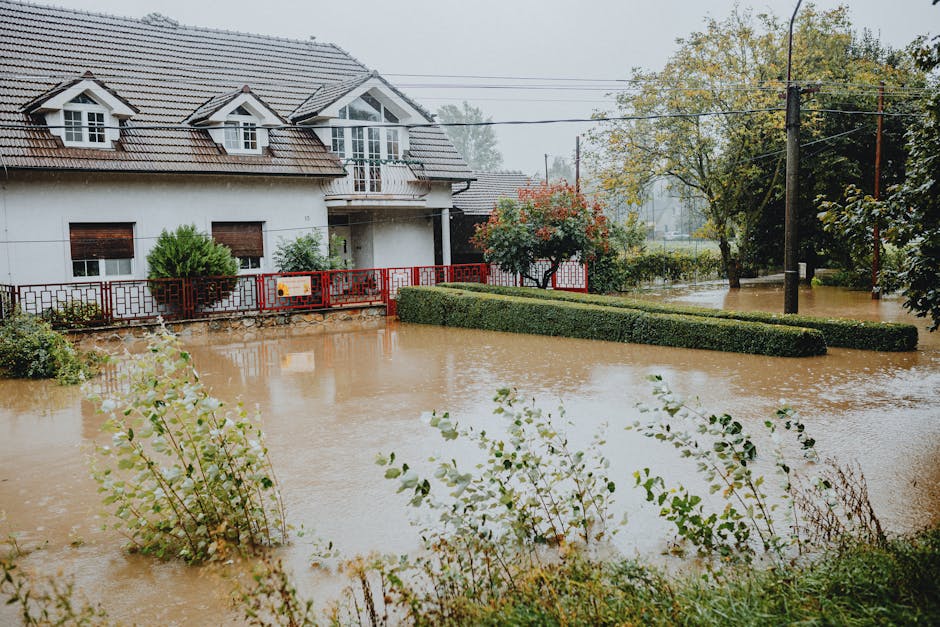
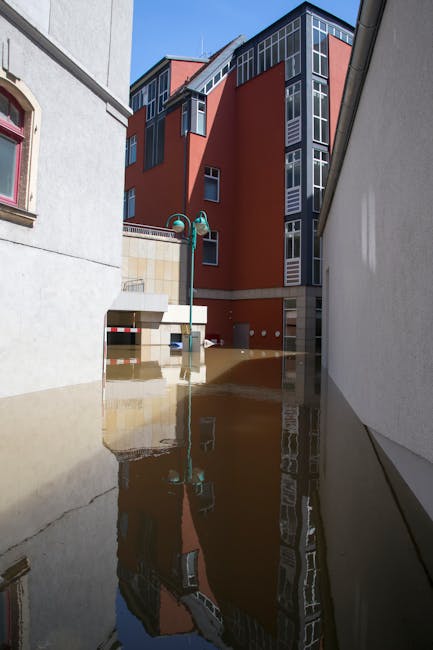
Same day emergency cleaning for floods and stains North Kensington
When a pipe bursts, a washing machine overflows, or a deep stain appears right before guests arrive, you do not have time for a long debate. You need a calm plan, fast hands, and a cleaning team that knows how to move quickly without making a mess worse. That is exactly where Same day emergency cleaning for floods and stains North Kensington comes in. It is about more than making a floor look presentable. It is about reducing damage, protecting health, and getting a home or business back to usable shape before the problem spreads.
In North Kensington, that urgency matters. Flats can be tight, stairwells can be awkward, and water has a nasty habit of finding the one place you hoped it would not. Let's face it, a flood or heavy stain never turns up at a convenient time. This guide explains what emergency cleaning involves, how it works, what to expect, and how to make sensible decisions under pressure. If you are comparing options, you may also want to review the company's pricing and quotes information and their insurance and safety details before booking.
Table of Contents
- Why Same day emergency cleaning for floods and stains North Kensington Matters
- How Same day emergency cleaning for floods and stains North Kensington Works
- Key Benefits and Practical Advantages
- Who This Is For and When It Makes Sense
- Step-by-Step Guidance
- Expert Tips for Better Results
- Common Mistakes to Avoid
- Tools, Resources and Recommendations
- Law, Compliance, Standards, or Best Practice
- Options, Methods, or Comparison Table
- Case Study or Real-World Example
- Practical Checklist
- Conclusion
- Frequently Asked Questions
Why Same day emergency cleaning for floods and stains North Kensington Matters
Water and staining problems rarely stay neat. A small spill can seep into underlay, edges, and joins. Floodwater can move under furniture and into skirting boards. Even a "minor" incident can create lingering odours, discolouration, warped fibres, or slippery surfaces if it is left too long. In practical terms, the first few hours matter a lot.
Same-day cleaning is valuable because it helps interrupt that chain reaction. The goal is not just visible cleanliness. It is to reduce the chance of secondary damage, which often costs far more than the original incident. That might mean extracting moisture, treating stained areas, protecting nearby materials, and stabilising the room so people can safely move around again.
There is also a human side to it. Floods and stains are stressful. They interrupt routines, unsettle tenants, and can become awkward very quickly if the damage is in a hallway, shared area, rental property, or customer-facing space. A rapid response gives you something solid to act on. You will notice the difference immediately: less panic, more control.
For local residents and landlords, same-day attendance can also help preserve relationships. A tenant who sees a prompt response feels taken seriously. A homeowner can avoid living with the smell of damp carpets for days. A shop or office can reduce disruption and keep the place usable. It sounds simple, but in real life, that speed is often the difference between a manageable clean-up and a bigger restoration job.
How Same day emergency cleaning for floods and stains North Kensington Works
Emergency cleaning is usually a structured process rather than a quick scrub and a hope-for-the-best. The exact method depends on the source of the flooding or stain, the surface involved, and how long the problem has been there. A sensible same-day visit normally starts with a brief assessment, followed by targeted extraction, treatment, and drying support where appropriate.
Typical emergency cleaning flow
- Initial contact and triage. You explain what happened, where it happened, and whether there is standing water, sewage contamination, or a stubborn stain.
- Priority assessment. The most urgent risks are identified first. That might be a safety hazard, a spreading stain, or moisture reaching vulnerable materials.
- On-site inspection. The cleaner checks the surface type, the extent of the damage, and whether any area needs immediate protection.
- Extraction or spot treatment. Water is removed where possible, and stains are treated using methods suited to the material.
- Drying and finishing. Airflow, towels, professional drying equipment, or repeated treatment may be used depending on the situation.
- Aftercare advice. You get practical guidance on what to watch for over the next 24 to 48 hours.
In a carpeted room, that might mean moisture extraction, fibre-safe stain treatment, and checking the underlay. On hard flooring, it may involve faster removal of water, disinfecting where required, and making sure slips are avoided. Upholstery, mattresses, rugs, and entrance mats each need a slightly different approach. The point is simple: same-day does not mean one-size-fits-all.
A good technician will also tell you what cannot be fixed instantly. That honesty matters. Some stains, especially those involving dye transfer, bleach marks, or old water damage, can improve significantly but not disappear completely on the first visit. Better to know that early than have unrealistic expectations.
Key Benefits and Practical Advantages
There are obvious benefits, and then there are the less obvious ones that really matter once the adrenaline settles down.
- Reduced spread of damage. Fast attention helps prevent water from travelling further into carpets, subfloors, or furnishings.
- Lower odour risk. Stale moisture and organic residues can quickly create smells that hang around for days.
- Safer walkways. Wet surfaces are a slip risk, especially in entrances, kitchens, and hallways.
- Better stain recovery. The sooner a stain is treated, the better the chance of lifting or reducing it.
- Less stress for occupants. A same-day response gives people a concrete next step, which is calming in itself.
- Useful for landlords and businesses. Prompt cleaning helps maintain standards and keeps complaints from snowballing.
There is also a practical money angle. A smaller response now can sometimes avoid a larger repair later. That does not mean every incident is cheap to solve, and it would be misleading to promise that. But in many cases, speed genuinely improves the outcome. Not glamorous, just true.
Expert summary: The best emergency cleaning is quick, measured, and specific. It focuses first on safety and spread control, then on restoration, then on finish. If a service sounds rushed in the wrong way, be cautious. If it sounds calm and methodical, that is usually a better sign.
Who This Is For and When It Makes Sense
This kind of service is useful for a broad range of people, and not only for dramatic flooding events. In North Kensington, the most common situations are often smaller than people expect, but still urgent.
- Homeowners dealing with burst pipes, appliance leaks, bathroom overflows, or carpet stains before visitors arrive.
- Tenants who need to act quickly and keep their space in good order, especially where damp or odour could become a dispute.
- Landlords and letting agents who need a fast clean-up between occupancies or after an incident.
- Small businesses that cannot afford to leave a reception area, shop floor, or back office looking neglected.
- Property managers handling shared corridors, communal flooring, and reactive maintenance issues.
It makes sense to book same-day cleaning when the issue is still active, spreading, or likely to become harder to remove by tomorrow. If the stain is fresh, the water is still present, or the smell is already developing, waiting is usually the wrong move.
On the other hand, if there is electrical danger, major structural damage, or contaminated floodwater, cleaning alone may not be enough. In that situation, the right first step is to make the area safe and then arrange a suitable response. Common sense first. Always.
Step-by-Step Guidance
If you want the best chance of a good result, there is a sensible order to follow. It does not need to be complicated, but it does need to be deliberate.
1. Make the area safe
If water is near sockets, appliances, or wiring, do not wade in casually. Switch off power to the affected area if it is safe to do so and avoid contact with unknown liquids. If the source is sewage or contaminated water, keep people and pets out.
2. Stop the source if you can
Turning off a valve, moving an appliance, or placing a barrier can limit how far the problem spreads. If the source is already under control, do not keep poking at it. You do not need heroics; you need containment.
3. Photograph the damage
Take a few clear photos before anything is moved. This helps with insurance, landlord communication, and later explanation of what happened. Two or three good pictures are usually enough. No need to create a gallery for the ages.
4. Remove what can be saved
Lift cushions, light rugs, bins, and other items that can trap moisture. Move furniture legs onto protective pads if advised. The aim is to reduce transfer and avoid staining from dyes, finishes, or rust.
5. Call for same-day help
Explain the surface type, the cause, the time since the incident, and whether there are any known hazards. If you are unsure, say so. Guessing usually wastes time. A good cleaner will ask the right follow-up questions.
6. Let the technician work methodically
Expect inspection first, then treatment. You may see spot extraction, deodorising, antibacterial treatment in some cases, or drying support. If a stain needs a second pass, that is normal. Honestly, some of the best results come from patience rather than brute force.
7. Follow aftercare instructions
Once the area is treated, keep airflow moving where possible, avoid heavy foot traffic, and do not place rugs or furniture back too quickly. Rushing the finish can undo a good job.
If you are unsure what the next step should be, the company's contact page is the quickest route to ask about your situation directly. For service expectations and customer terms, it is also sensible to review the terms and conditions before confirming anything.
Expert Tips for Better Results
These are the small things that often improve outcomes. They are not flashy, but they matter.
- Treat fresh stains gently. Blot, do not scrub. Scrubbing pushes residue deeper and can distort fibres.
- Work from the outside in. This helps prevent a stain ring from getting bigger.
- Use the right product for the material. Wool, synthetics, natural stone, laminate, and upholstery all behave differently. Very differently.
- Keep airflow steady. Open windows if conditions allow, or use fans where safe. Drying is part of cleaning.
- Do not over-wet the area. More liquid is not more clean. It usually becomes more trouble.
- Ask about follow-up. Some issues improve after the first visit and settle further once dry.
One useful habit: tell the technician exactly what caused the stain. Coffee, wine, pet accidents, muddy floodwater, paint, detergent residue, and food oils all respond differently. The more honest the starting information, the better the result. A slightly embarrassing answer now can save a lot of guesswork later.
And if the incident happened late evening or on a weekend, do not wait simply because it feels awkward to call. That is often when emergency cleaning is most valuable. Water does not keep office hours. Annoying, but there we are.
Common Mistakes to Avoid
Emergency jobs tend to go wrong for predictable reasons. The good news is that they are easy to avoid once you know them.
- Leaving water to sit. Even a small delay can deepen staining and odour.
- Using bleach on the wrong surface. That can permanently damage fibres or leave bright patches.
- Rubbing the stain hard. It spreads the problem and can roughen the pile.
- Covering damp areas too soon. Rugs, mats, and furniture can trap moisture underneath.
- Ignoring underlay or backing. A carpet can look fine while the layers below are still wet.
- Assuming all floodwater is the same. Clean water, grey water, and contaminated water call for different care.
- Choosing only by speed. Fast response matters, but so does method, insurance, and safety practice.
A very common one is this: people try to "finish the job" themselves after a first quick clean, then call again when the smell appears two days later. To be fair, that is understandable. It just means the moisture was never fully dealt with. If something feels still damp, treat it as unfinished.
Tools, Resources and Recommendations
Not every reader needs specialist equipment, but it helps to know what professional emergency cleaning may involve. That way, the process feels less mysterious and you can judge whether a visit is thorough.
| Tool or approach | What it helps with | Why it matters |
|---|---|---|
| Moisture extraction | Removing standing water or deep damp | Reduces spread into underlay and improves drying |
| Targeted stain treatment | Coffee, wine, food, mud, pet marks | Improves the chance of lifting without damaging fibres |
| Air movers or drying support | Faster drying after extraction | Helps prevent odour and secondary damage |
| Protective pads and coverings | Furniture protection during recovery | Prevents marking and moisture transfer |
| Odour treatment | Damp smells, organic residues | Improves liveability and makes the room usable sooner |
For practical booking decisions, a few pages on the site are worth checking. The about us page helps you understand the company's approach, while the health and safety policy gives a clearer picture of how risks are handled. If you care about payment confidence, the payment and security information is also useful.
People sometimes ask whether they should buy drying powder, stain remover, or a rented machine first. Sometimes yes, sometimes no. If the area is small and dry enough to manage safely, a quick response can help. But if you are facing larger flooding, delicate fibres, or an unknown liquid, guesswork becomes expensive. A phone call first can save a lot of drama.
Law, Compliance, Standards, or Best Practice
Emergency cleaning is not just about appearance. It also intersects with safety, tenancy responsibilities, and general duty of care. Without getting too legal about it, the main idea is simple: if water or staining creates a hazard, it should be dealt with promptly and responsibly.
In homes, that usually means reducing risks such as slips, damp, mould growth, and contamination. In rented properties, landlords and agents often need to act quickly to preserve the property and keep tenants informed. In business settings, there is usually a stronger need to manage access, protect staff and visitors, and keep walkways safe.
Best practice usually includes:
- prompt attendance after the incident
- careful identification of the affected materials
- appropriate use of cleaning products
- safe handling of contaminated water where relevant
- clear communication about what has and has not been resolved
- follow-up advice on drying and monitoring
It is also sensible to work with a provider that takes privacy, complaints, and service terms seriously. Those things may sound administrative, but they tell you a lot about how a company behaves when things get a bit messy. You can review the privacy policy and complaints procedure if you want that extra reassurance before booking.
Options, Methods, or Comparison Table
Not every emergency clean needs the same response. The best method depends on the material, the size of the affected area, and how severe the flooding or staining is. Here is a simple comparison that can help you think it through.
| Situation | Best approach | What to expect | Typical risk if delayed |
|---|---|---|---|
| Fresh drink spill on carpet | Rapid spot treatment and extraction | Often a fairly quick recovery if handled early | Staining, sticky residue, odour |
| Clean water leak on hard flooring | Immediate drying and surface cleaning | Usually straightforward if no subfloor damage | Slip risk, swelling at edges |
| Overflow onto upholstered furniture | Material-specific upholstery cleaning | May need careful drying and repeat treatment | Odour, watermarking, fabric distortion |
| Floodwater in carpeted room | Extraction, sanitising, drying support | More complex, with closer assessment needed | Contamination, smell, hidden damp |
| Old stain that has set | Targeted stain reduction rather than instant removal | Improvement may be gradual | Permanent marking if treated badly |
The lesson here is pretty straightforward: if the issue is fresh, act fast. If it is older or more complex, expect a more measured solution. That is not a bad thing. It is just realistic.
Case Study or Real-World Example
Picture a typical North Kensington evening. A washing machine hose loosens in a flat and a small amount of water spreads across the kitchen and into the hallway carpet. Nothing dramatic, just enough to make the floor feel cold and slightly spongy. By the time the resident notices, one corner of the carpet is already damp and a faint smell is starting to build.
In that situation, a same-day cleaning response would usually focus on three things: stop the source, extract the moisture, and prevent the problem from travelling. The technician would likely inspect the carpet edge, check if water has reached the underlay, and treat any marks left by detergent or dirty water. If a stain from kitchen spill residue is also present, that gets dealt with as a separate issue rather than being hidden under drying effort.
The important part is the sequence. Fast arrival helps, but the careful bit is what makes the difference. If the carpet is dried too aggressively, fibres can flatten. If it is not dried enough, odour can linger. If the stain treatment is too harsh, the mark may bleach or distort. So the job becomes a balancing act. Calm, methodical, a bit unglamorous. Exactly what you want, really.
After the visit, the resident would usually be told to keep the area ventilated and avoid replacing heavy furniture until the carpet is fully dry. That may sound basic, but these small steps are what stop a manageable clean-up from turning into a second round of frustration.
Practical Checklist
Use this checklist if you are dealing with an urgent flood or stain right now.
- Identify the source of the water or stain.
- Check whether electricity or slippery flooring makes the area unsafe.
- Photograph the damage before moving items.
- Lift lightweight objects away from the affected area.
- Blot fresh stains gently if it is safe to do so.
- Avoid scrubbing, bleaching, or over-wetting the surface.
- Arrange same-day cleaning as soon as possible.
- Explain the material, source, and time since the incident clearly.
- Ask what drying or aftercare is needed.
- Keep the area clear until the treatment is fully complete.
Quick reminder: if the liquid is contaminated, the stain is spreading fast, or the floor may be structurally affected, do not treat it like a normal household clean. Get it assessed properly.
Conclusion
Same-day emergency cleaning is about speed, but good emergency cleaning is really about control. It gives you a safe, practical way to deal with floods and stains before they become bigger problems. In North Kensington, where homes, flats, and small businesses often need fast turnarounds, that kind of response can make a real difference.
The best outcome usually comes from three things working together: early action, the right cleaning method, and honest communication about the damage. If you combine those, you give yourself a much better chance of saving the surface, reducing odour, and getting life back to normal sooner. Not perfect, perhaps. But a lot better.
If you are currently facing an urgent spill or water issue, take the next sensible step now rather than waiting for it to "dry out on its own." That hope rarely pays off.
Get a free quote today and see how much you can save.
And if you want to understand the team behind the service a little better, the homepage and about us page are a good place to start. Sometimes a short, clear conversation is all it takes to turn a stressful situation into a manageable one.
Frequently Asked Questions
How quickly can same day emergency cleaning for floods and stains North Kensington usually be arranged?
It depends on the time of day, the size of the job, and current availability, but same-day appointments are designed for urgent situations. The best approach is to contact the team as soon as the problem appears so the issue can be assessed and prioritised.
What counts as an emergency cleaning job?
Anything that is actively spreading, creating a safety risk, causing strong odour, or threatening to damage flooring or furniture can qualify. Burst pipes, appliance leaks, overflow incidents, and fresh large stains are common examples.
Can flood-damaged carpet always be saved?
No, not always. A lot depends on how much water entered the carpet, how long it sat there, and whether the water was clean or contaminated. Fresh incidents often have a better chance of recovery than older, heavily soaked ones.
Will stain removal work on wine, coffee, or pet accidents?
Often it can improve the appearance a lot, especially if the stain is fresh. But no responsible cleaner should promise perfect removal in every case. Different stains behave differently, and some may need more than one treatment.
Is floodwater more serious than a normal spill?
Usually, yes. Floodwater may contain dirt, bacteria, or other contamination, and it can soak deeper into materials. Even clean-looking water can cause hidden damage if it reaches underlay or subfloors.
How should I prepare the room before the cleaner arrives?
Make the area safe, photograph the damage, move small items out of the way, and avoid rubbing the stain or standing on wet carpet. If there is any electrical concern, stay out of the affected area until it is safe.
Do I need to move furniture myself?
Only if it can be done safely and without causing more damage. Light chairs or small tables can often be moved, but heavy furniture should not be dragged across wet flooring. That can scratch surfaces or worsen the problem.
How long does the cleaning and drying process take?
The cleaning itself may be relatively quick for smaller jobs, but drying can take longer. The exact time depends on the material, the amount of moisture, ventilation, and whether extra drying support is needed.
Will the room smell normal again after the clean?
In many cases, yes, especially when moisture is removed promptly and the source is properly treated. If the stain or water issue is older, there may be some aftercare needed before the space feels fully fresh again.
How much does emergency cleaning cost?
Costs vary by area size, access, type of staining, and the severity of the water damage. For that reason, a proper quote is usually the fairest way to estimate the job. If you want to check how quotes are handled, see the pricing and quotes page.
Is it safe to book online if I am in a hurry?
Yes, provided the booking process is clear and secure. If payment is involved, it is sensible to review the company's payment and security information first so you know what to expect.
What if I am unhappy with the service?
Then you should use the company's complaints process and explain the issue clearly. Reputable providers should have a straightforward way to handle feedback, follow-up, and resolution. You can review the complaints procedure here.
Can emergency cleaning help with damp prevention?
It can help reduce the risk, yes, by removing moisture quickly and limiting the chance of lingering damp. That said, if there is a structural leak or ongoing source of water, the underlying problem still needs attention.
If you need a quick response and a clear explanation of your options, the safest next step is to get the damage assessed as soon as possible. A fast, careful clean today can save a lot of bother tomorrow, and that is usually worth acting on.